
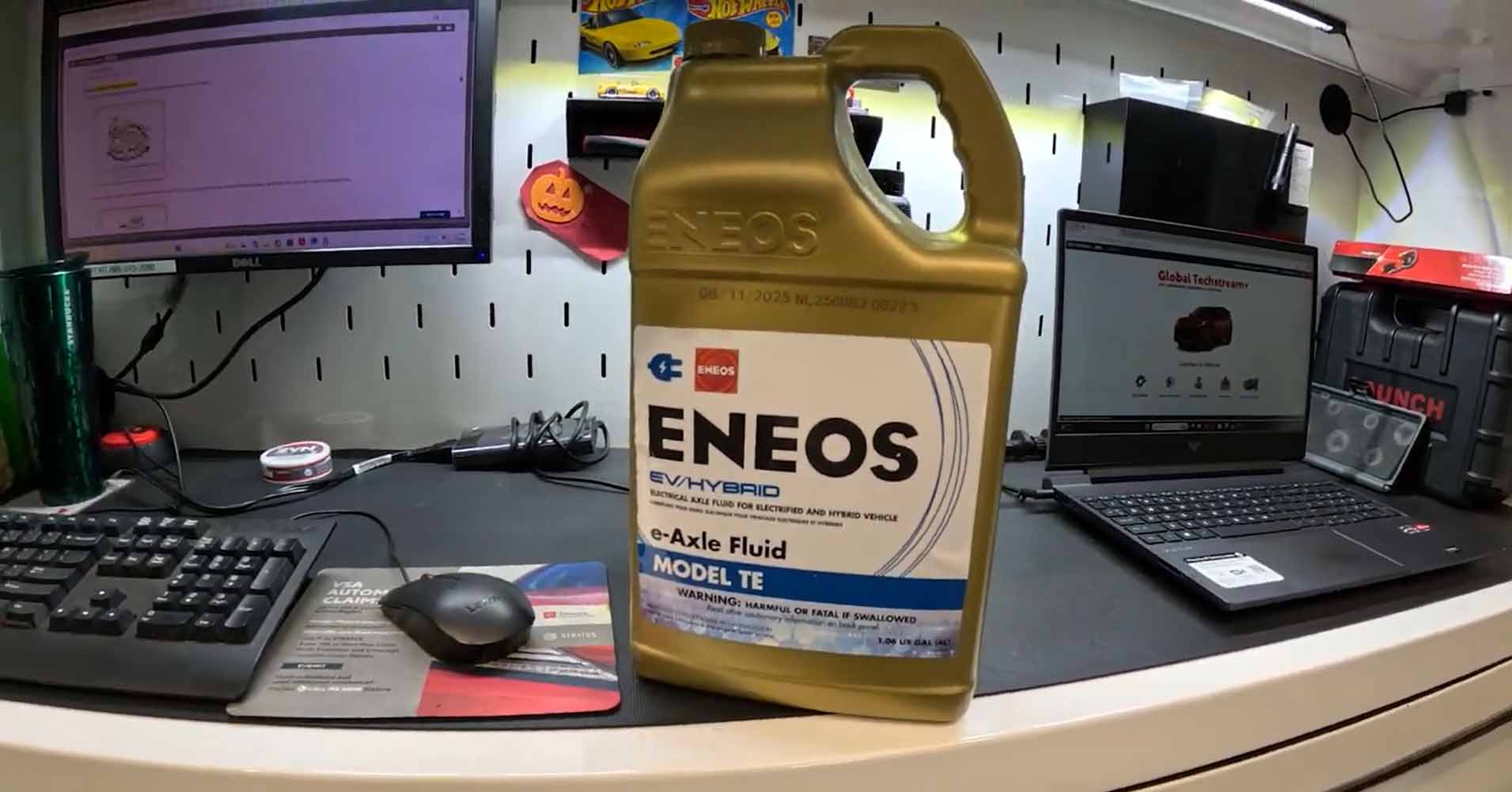
Why e-Axle Fluid Matters for Your Hybrid or EV: Protecting the Heart of Your Drivetrain
If you drive a newer hybrid or electric vehicle, you’ve probably heard the term e-Axle—but you may not know that it requires a specialized lubricant that’s very different from traditional transmission fluid.
As automakers continue to improve efficiency and performance, the technology inside hybrid and EV drivetrains has evolved dramatically. That means the fluid protecting those components has had to evolve as well.
In our latest video, a Toyota technician walks through an e-Axle fluid service on a 2024 Toyota Prius, explaining what makes these systems unique, why fluid changes are still important, and how to perform the service correctly.

What Is an e-Axle?
An e-Axle is an integrated drivetrain used in many modern hybrid and electric vehicles. Rather than simply transferring power like a conventional transmission, an e-Axle combines electric motors, reduction gears, and sophisticated electronic components into one compact unit.
Because these systems contain high-voltage electrical components alongside moving gears and bearings, they require a lubricant specifically engineered for their unique operating conditions.
Why e-Axle Fluid Is Different
Unlike conventional automatic transmission or hybrid transaxle fluids, modern e-Axle fluids are designed to meet several critical requirements:
- Electrical compatibility to help protect sensitive electric motor components
- Lower viscosity to improve efficiency and reduce energy loss
- Excellent thermal performance to help manage the additional heat generated by electric motors
- Outstanding wear protection for gears and bearings operating under high loads
Using the correct fluid isn’t just about lubrication—it’s about helping the entire electric drivetrain perform as designed.
Is e-Axle Fluid Really "Lifetime" Fluid?
Many manufacturers describe e-Axle fluid as a lifetime fluid under normal driving conditions.
However, many experienced technicians and automotive enthusiasts prefer a more proactive maintenance schedule—especially for drivers planning to keep their vehicle for many years.
Changing the fluid periodically removes wear particles and helps ensure the drivetrain continues operating efficiently over the long term.
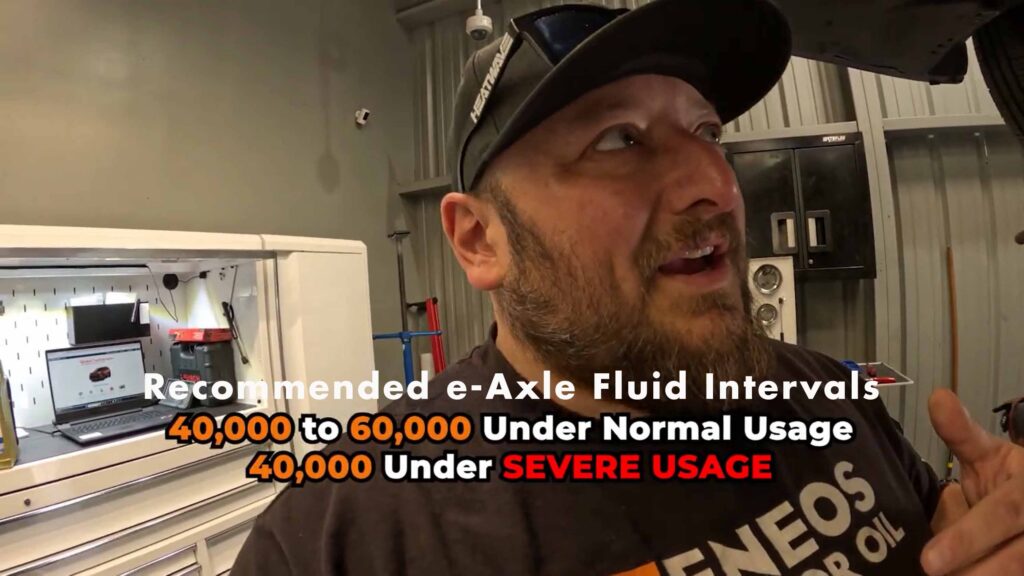
While service recommendations vary by manufacturer and vehicle, many technicians recommend changing e-Axle fluid somewhere between 40,000 and 60,000 miles, particularly for vehicles that experience:
- Frequent stop-and-go driving
- Mountain driving
- High temperatures
- Heavy loads
- Other severe operating conditions
Always consult your owner’s manual for the maintenance recommendations specific to your vehicle.
What Happens During an e-Axle Fluid Change?
Although the procedure varies by vehicle, the basic process is straightforward for many Toyota hybrid models.
Key steps include:
- Remove the underbody shield (if equipped).
- Always remove the fill plug first to ensure it can be opened before draining the fluid.
- Drain the old fluid.
- Install new sealing washers where specified.
- Torque the drain plug to the manufacturer’s specification.
- Fill with the correct amount of fresh e-Axle fluid until the proper level is reached.
- Install and torque the fill plug to specification.
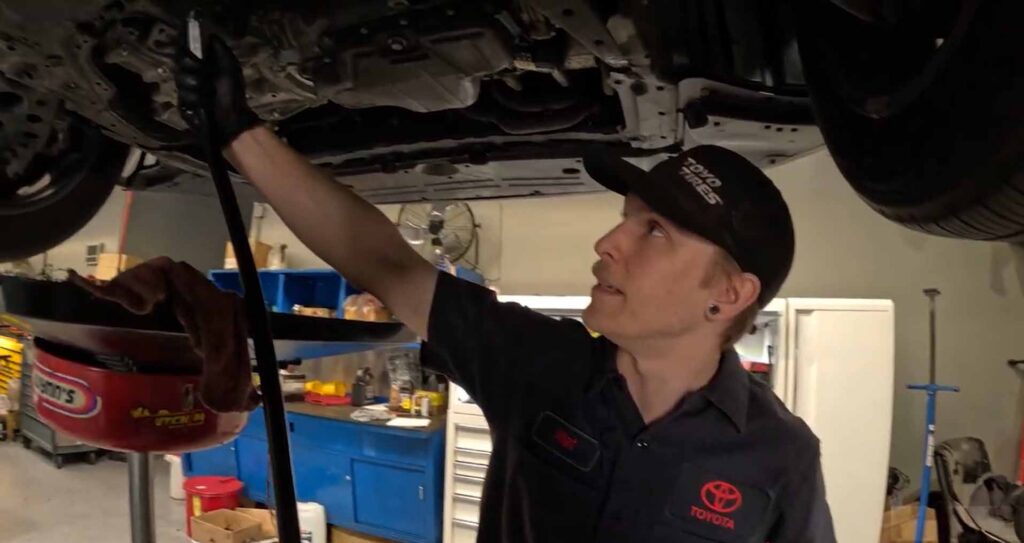
One detail emphasized in the video is the importance of using a torque wrench. Drain and fill plugs use crush washers that are designed to seal properly only when tightened to the correct torque—not simply “good and tight.”
Why Using the Correct Fluid Matters
Modern hybrid and EV drivetrains are precision-engineered systems.
Using a fluid that doesn’t meet the required specifications can affect:
- Electric motor protection
- Cooling performance
- Gear lubrication
- Overall drivetrain efficiency
- Long-term durability
That’s why it’s important to use an e-Axle fluid specifically designed for today’s hybrid and electric vehicle applications.
Watch the Complete e-Axle Fluid Service
Want to see the entire procedure from start to finish?
In our latest video, a Toyota technician demonstrates an e-Axle fluid change on a 2024 Toyota Prius, including:
- What tools are required
- Where the drain and fill plugs are located
- Proper filling technique
- Why the fill plug should always be removed first
- Correct torque procedures
- General maintenance recommendations for long-term reliability
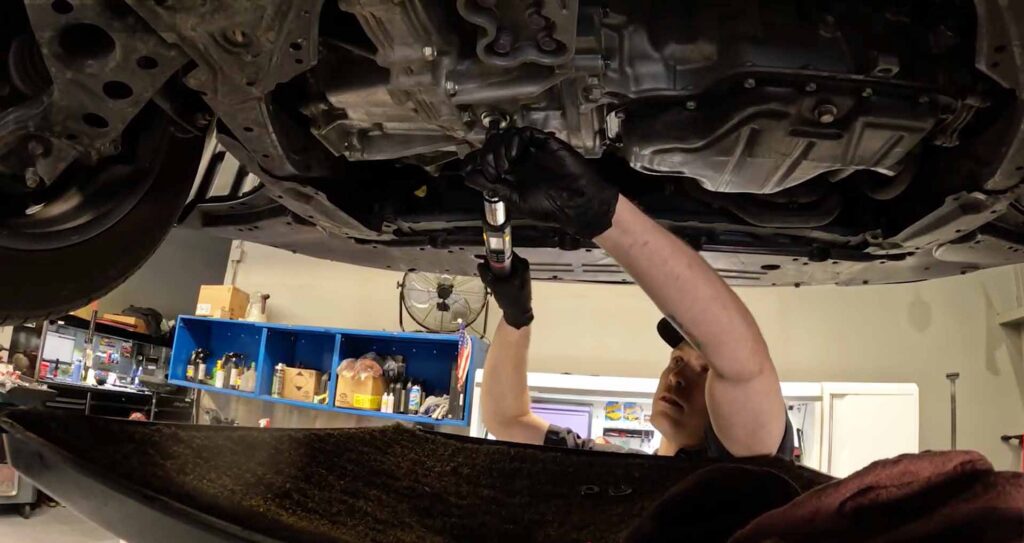
Whether you’re a DIY enthusiast or simply want to better understand your vehicle’s maintenance needs, the video provides an excellent look inside one of today’s most advanced drivetrain technologies.
Find the Right ENEOS Fluid for Your Vehicle
Not all hybrid and electric vehicles use the same lubricant. Vehicles that require e-Axle fluid include*:
- 2023 or newer Lexus RX500h
- 2023 or newer Toyota bZ4X
- 2023 or newer Toyota Corolla
- 2023 or newer Toyota Corolla Cross
- 2024 or newer Lexus RZ450e
- 2024 or newer Lexus TX550h+
- 2024 or newer Toyota Crown
- 2025 or newer Lexus TX500h
- 2025 or newer Lexus UX300h
- 2025 or newer Toyota Camry

ENEOS EV/HYBRID e-Axle Fluid MODEL TE is compatible with e-Axles requiring “Toyota Genuine e-Transaxle fluid TE.”*
Visit ENEOS.us to use the Oil Selector and identify the recommended ENEOS fluid for your vehicle, helping keep your hybrid or EV performing at its best for miles to come.

*Consult your owner’s manual for best results